
There is a strange paradox at the top tier of commercial real estate. You can find development firms that have closed over a billion dollars in transactions, shaped the skylines of major cities, and built portfolios that weather economic downturns — yet their digital footprint looks like it was hastily dragged-and-dropped together on Wix or Squarespace.
For years, the industry operated on the assumption that real estate is purely a relationship business. The logic was simple: if your properties are prime and your track record is flawless, a website is just a digital brochure. A static Squarespace template with a hero image, a list of square footages, and a generic contact form was deemed “good enough.”
But as we move deeper into 2026, “good enough” is rapidly becoming a massive liability. The digital transformation wave that reshaped retail, finance, and hospitality has finally crashed into commercial real estate. The developers who are adapting are pulling away at an exponential rate, leaving the legacy firms — and their DIY websites — holding the bag.
The Caruso Standard: A Glimpse into the Modern Playbook
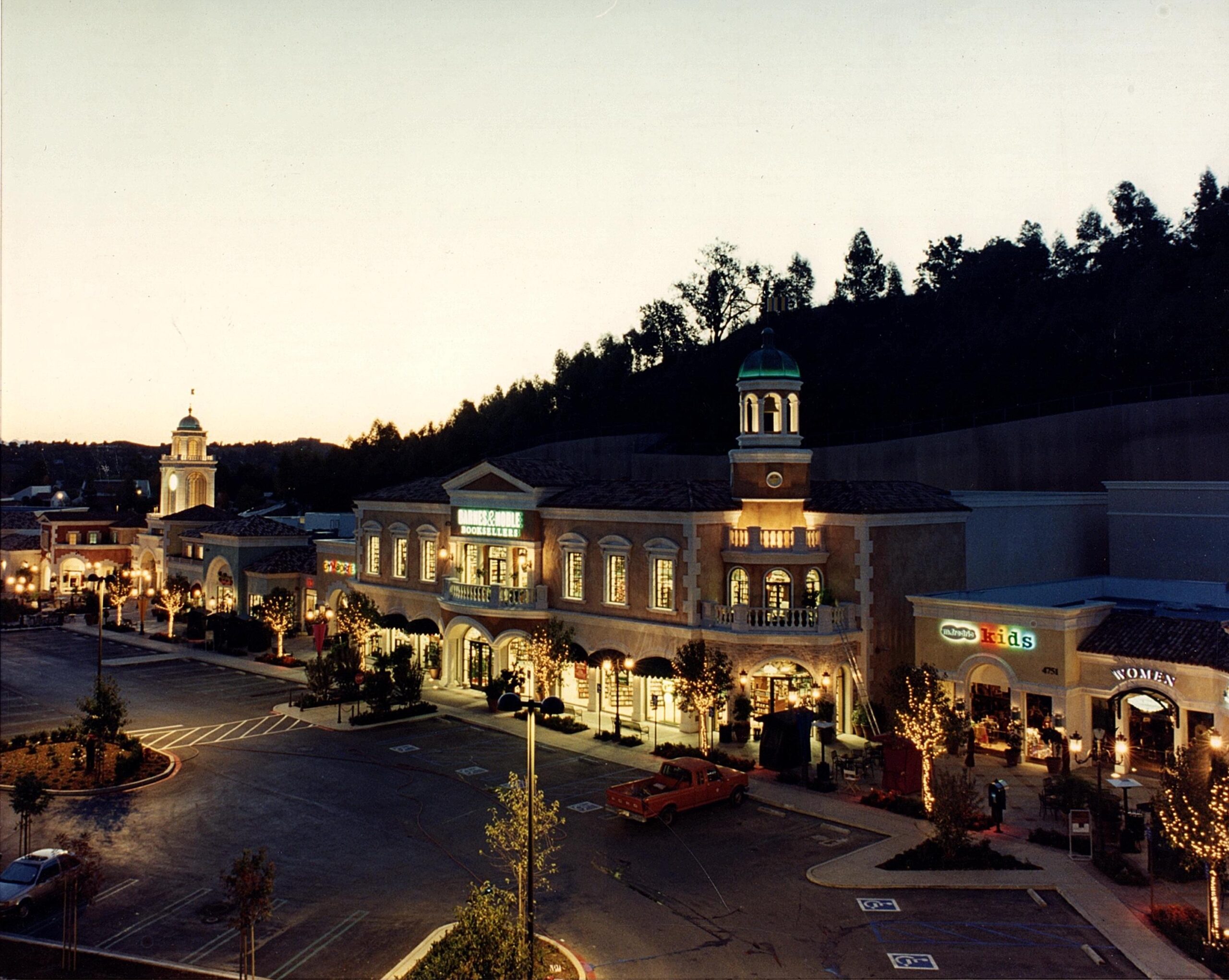
Look at what Rick Caruso has done with properties like The Grove and The Americana at Brand. Caruso didn’t just build shopping centers; he built ecosystems. And crucially, he recognized that the physical ecosystem must be mirrored by a bespoke digital one. You cannot build a billion-dollar ecosystem on a $29/month Wix subscription.
Caruso’s approach to digital integration is a masterclass in modern real estate strategy. Through the Caruso Signature program, they launched a proprietary app and a unified loyalty system that connects retail, residential, and hospitality. Residents earn “Caruso Coins” simply by paying their rent. Shoppers earn rewards by dining at on-property restaurants. The firm leverages this data to create hyper-personalized experiences — like ensuring a guest’s favorite cocktail is waiting for them when they arrive for a dinner reservation.
Caruso understood that a digital footprint isn’t just about having a pretty website; it’s about infrastructure. It’s about capturing data, building community, and creating a frictionless experience that bridges the gap between the screen and the street. They are treating their properties like tech platforms, and the resulting customer loyalty and tenant retention speak for themselves.
The Unacceptable Excuse
In contrast, consider the large-scale developer whose website hasn’t been updated since 2019. Their “Coming Soon” page lists projects that were completed three years ago. Their contact page still lists a fax number. Their portfolio is a static list of bullet points crammed into a rigid, consumer-grade template rather than an immersive, interactive showcase.
In 2026, there is simply no excuse for a firm handling $10M to $100M deal sizes to operate on consumer-grade web builders with broken links and stale content. When you are asking institutional investors for nine figures, or courting luxury brands for a 10-year lease, a Squarespace site with a generic “Contact Us” form is insulting.
The expectations of investors, retail tenants, and consumers have fundamentally shifted. A prospective institutional investor or a high-end retail brand looking for a flagship location doesn’t just want to see your physical blueprints — they want to see your digital capabilities. They want to know how you drive foot traffic, how you engage with the community online, and what proprietary systems you have in place to ensure the asset’s success.
“Institutional investors are moving aggressively toward data infrastructure because demand isn’t slowing. More AI usage means more cloud… [and they] expect transparent, intuitive, and available digital experiences.”
When a nine-figure development firm has a website that looks like a placeholder, it sends a dangerous signal. It suggests a lack of attention to detail, an unwillingness to adapt, and a fundamental misunderstanding of the modern market. If you aren’t investing in your own digital storefront, why should a premium tenant trust you with their physical one?
The 2026 Imperative
We are standing at an inflection point. Over the next 6 to 12 months, the gap between the digitally native developers and the legacy holdouts will become insurmountable. Proptech adoption is no longer a buzzword; it is the baseline. The global proptech market size is projected to grow from $54.66 billion in 2026 to $185.31 billion by 2034. Automated deal sourcing, immersive digital twins for portfolio showcasing, and integrated tenant apps are becoming standard operating procedures. In fact, 92% of commercial real estate companies are already piloting AI solutions to stay competitive.
The firms that refuse to modernize are going to find themselves increasingly marginalized. They will lose out on premium tenants who demand data-driven property management. They will struggle to attract the next generation of investors who expect seamless digital portals and real-time analytics.
The physical bricks and mortar will always be the foundation of real estate. But in 2026, the digital mortar is what holds the empire together. If your firm has built a billion-dollar legacy in the physical world, it is time to build a digital presence that actually reflects it — not one thrown together on a weekend using a DIY site builder. The clock is ticking, and the new generation is already moving in.
References
Caruso Signature Official Site · Forbes: Caruso Loyalty Program · Duckfund: CRE Digital Transformation · Yahoo Finance: PropTech Market Size · JLL: AI Reality Check
